Does environmentalism transcend left and right?

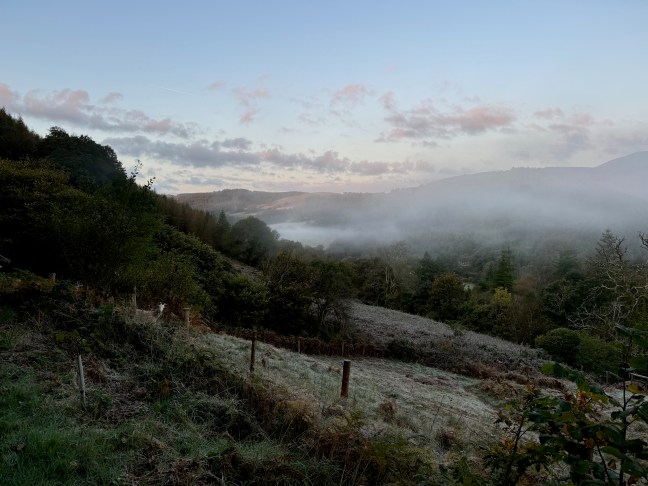
A view of hills shrouded by cloud, with a patch of early-morning sunlight, and a goat in the foreground

Back in the 90s when, as a teenager, I was first getting into green politics, it was often said that green would transcend the ‘grey’ politics of left and right. You don’t hear that much any more. Maybe we should. Is right-wing environmentalism part of the answer to the multiple ecological crises the world faces? Can we meaningfully create a consensus outside our socio-economic political differences and find ways to work together?

I’ve been thinking about this a lot recently because of a discussion on the topic I was part of. I will boil the conversation down to its two main arguments. The proposition, as it were, is that we exist in a bubble of other like-minded, progressive, evidence-led people while, in the wider world, people are falling for dishonest and divisive far-right rhetoric. It is as if we live in separate universes with entirely different understandings of reality. The counterargument is to acknowledge that people on the right also care about the environment – some of them, at least – and start to build a consensus that transcends the old left-right binary. You can have right-wing and left-wing environmental politics. Rightwing environmentalism might look like Tories caring about the countryside, for example, or eco-fascism, or a belief that capitalism will come up with a green technofix.

Continue reading Does environmentalism transcend left and right?
How Not to Save the World

There’s a vanguardist streak in the environmental movement which I think does more harm than good. It can lead to an alienating kind of arrogance that we can’t afford. We desperately need more people on our side if we are to build up the critical mass of public opinion necessary for the scale of change we need. Not that we don’t need people to take the lead. But taking a lead is not an end in itself. It’s pointless if you don’t take people with you. The vanguard is not the movement; the vanguard is a possible catalyst for the movement.

There are many lessons to learn from the twin fiascos of Trump and Brexit: one is that people act on their feelings, not on rational analysis. Another thing to consider is that most of the damage inflicted on the environment is carried out by wealthy people and corporations. It’s important for the rest of us to be good, green consumers, but that’s nothing compared to the scale of change we need, which is radical and systemic. Basically, we need government action and, while protest and publicity stunts are fine for bringing issues to attention, large-scale change is only going to happen if enough people care. Most politicians will only do what gets votes. Put all these things together and, as I’ve been saying for a long time, the way to save the environment is for people to want it to be saved. They need to feel it’s their struggle, to choose to make the necessary sacrifices now so that future generations may live bearable lives. Continue reading How Not to Save the World