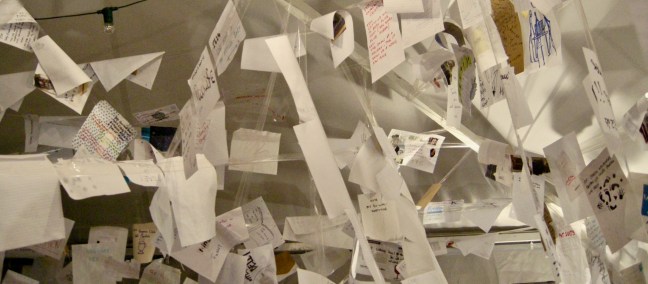
Every Brilliant Thing (not just Some Brilliant Things)

A wonderful part of the story of this hugely successful play is missing from this Guardian article. Sure, part of being a designer is being in the background, but in this case, it’s not just us; it’s a wonderful collaborative effort involving thousands of members of the public.
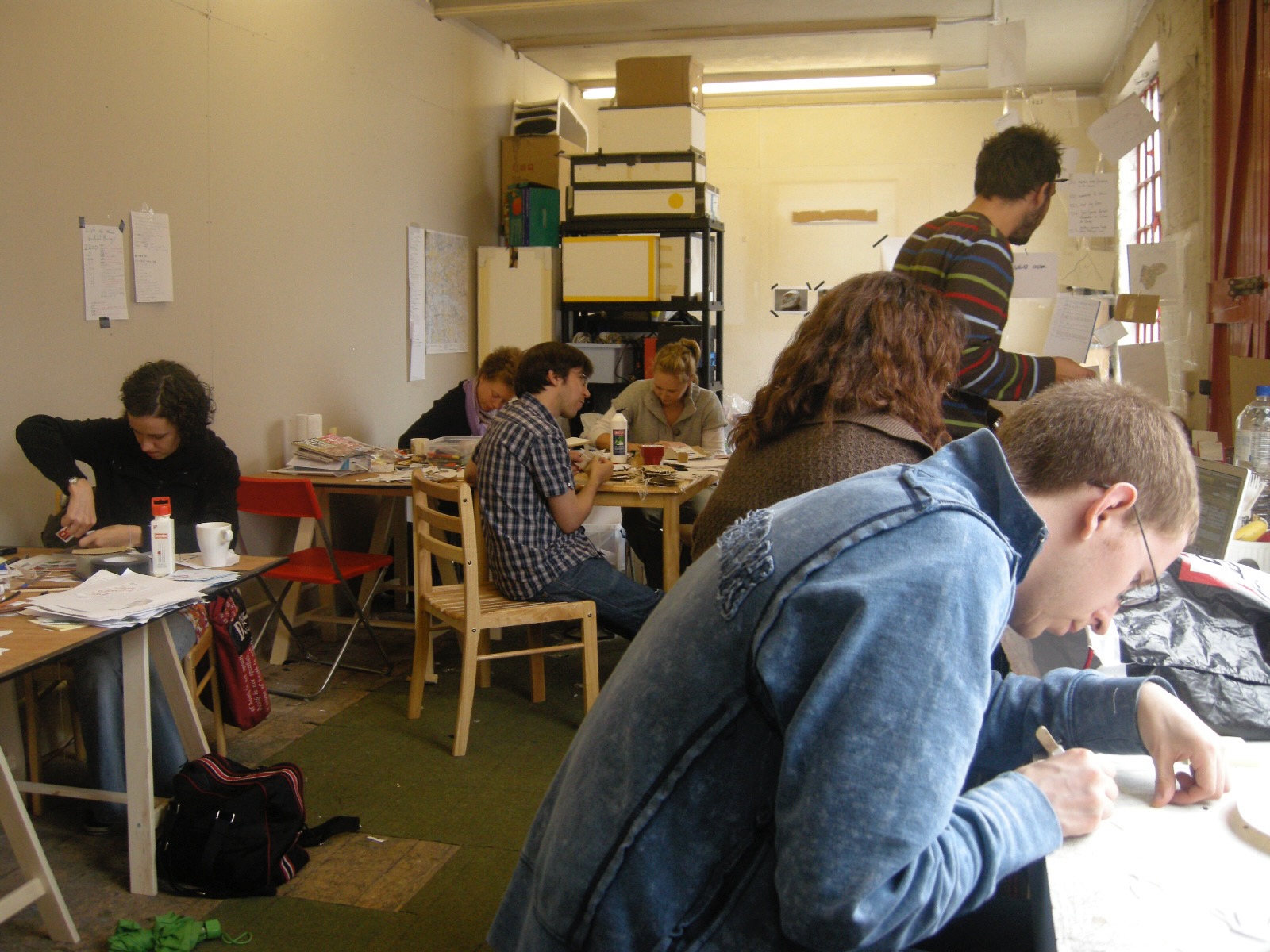
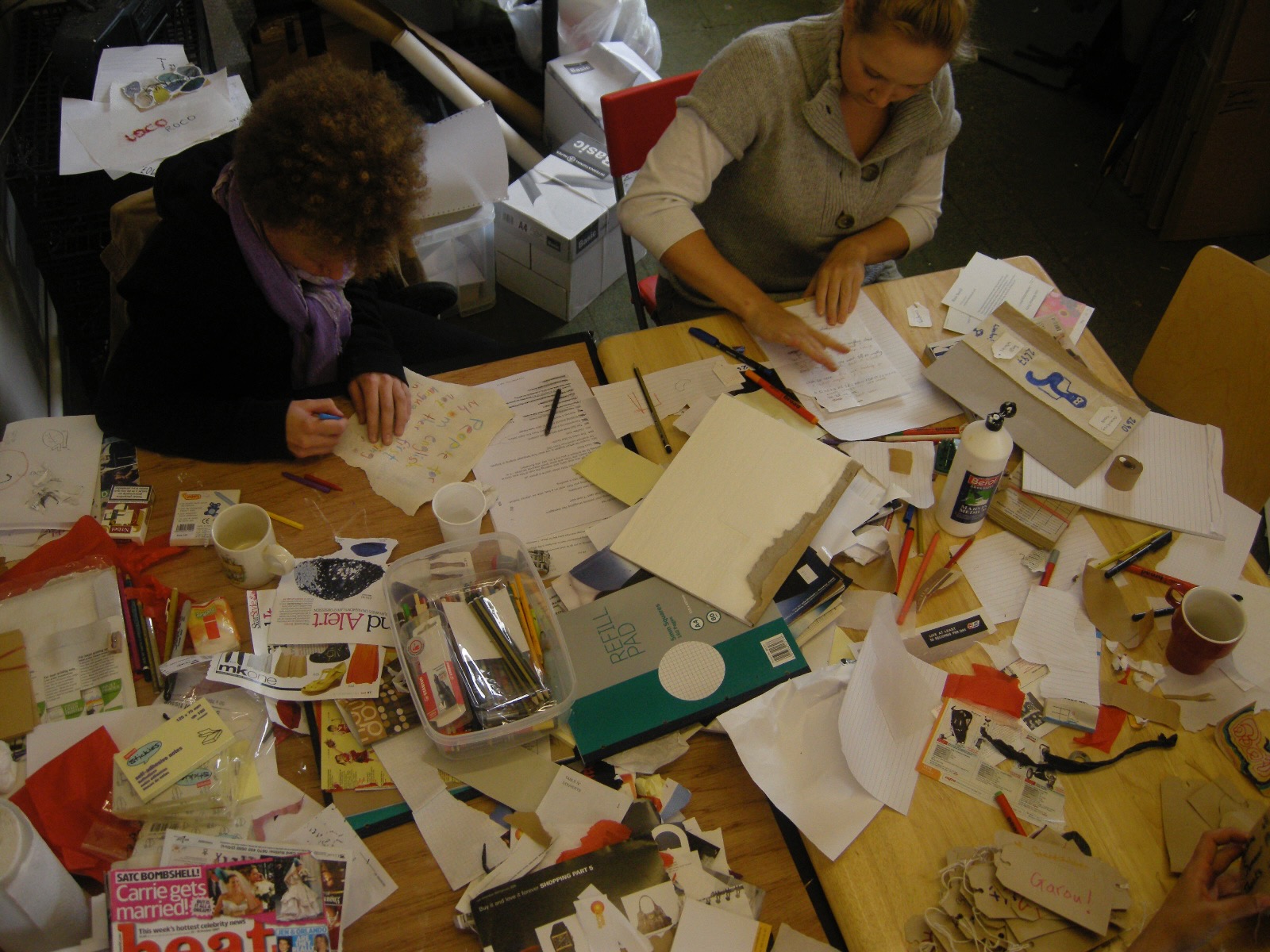
Simon Daw and I, then working under the collective name Scale, were approached by Duncan and George to create an installation to accompany readings of the short story that would eventually become Every Brilliant Thing. If memory serves, it was then called Sleeve Notes. We assembled a team of volunteers at our studio to write the list.
The installation was then shown at the Village Underground in Shoreditch, East London, as part of a club night, the name of which I’ve now forgotten. People were encouraged to add to the list. I have no idea how many did, but it was quite a lot.

Continue reading Every Brilliant Thing (not just Some Brilliant Things)
Love and Information

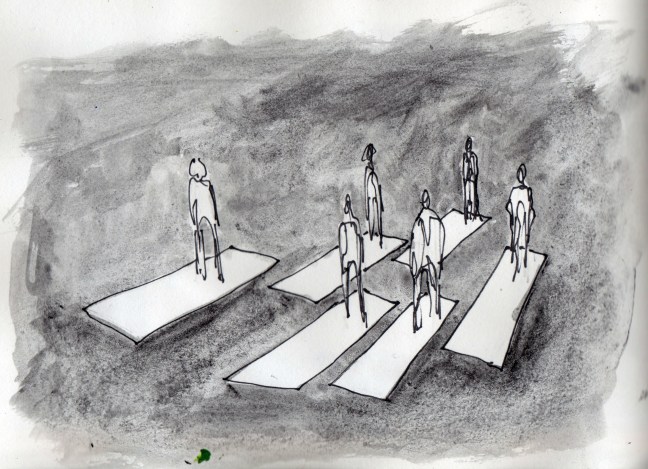
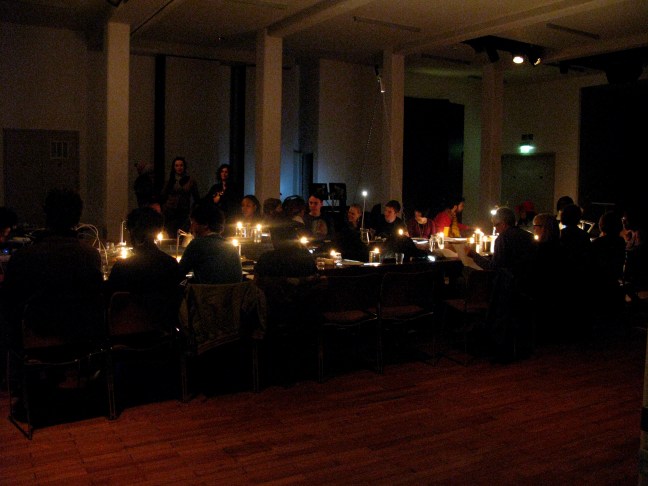
I’ve just done a great project with Pegasus Young Company: a production of Carol Churchill’s Love and Information, directed by Corinne Micallef. The cast members were a great ensemble, highly supportive of each other, and really engaged with the piece at a conceptual level. It was really collaborative and we had some great discussions about how the design should work dramaturgically, as well as working through stuff practically, including with the modelbox.

I pulled together a bunch of images from my process for the marketing team to use, including a video of my sketchbook. And I thought I would share them here. Continue reading Love and Information

Let’s Talk About Participation

I’ve missed shows I really wanted to see because the threat of audience participation made me so anxious. And yet, at Daedalus and elsewhere, I make participatory theatre. Is this hypocrisy?

My view of participation is that it shouldn’t be about persuading or pressuring people to do things. It should be even less about picking on people, forcing participation on them. It’s about creating an environment in which people can find their own degree of involvement as equals. This might be because you advertise the piece as participatory so they know what they’re letting themselves in for, such as Shunt, Metis or Punchdrunk. But I want to talk about performances where people come to see a show but we, the artists, want them to have not the experience of a well-made performance but also a deeper kind of engagement. Continue reading Let’s Talk About Participation